Since the ancient roman times, the hilly, pleasant, and refreshing countryside has been the perfect territory where the stress of a megalopolis as Rome was, could be easily compensated by a flourishing nature.
This necessity brought Cicero, Julius Ceaser, Augustus, Nero, Trajan -just to mention the most famous names- to build their “Villas” -or countryside mansions- in sites that actually are extraordinary archaeological areas as Tusculum, today known as Frascati.
The rebel city Tusculum was destroyed by Rome in 1191 and a new city called Frascati was constructed not far from the original site, and in the renaissance period again became the favorite resting countryside side chosen by noble gentlemen, cardinals and Popes.
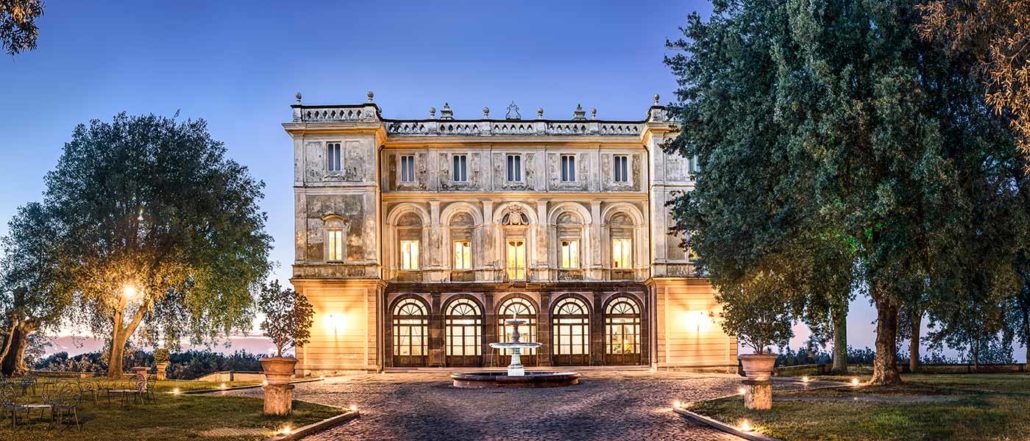
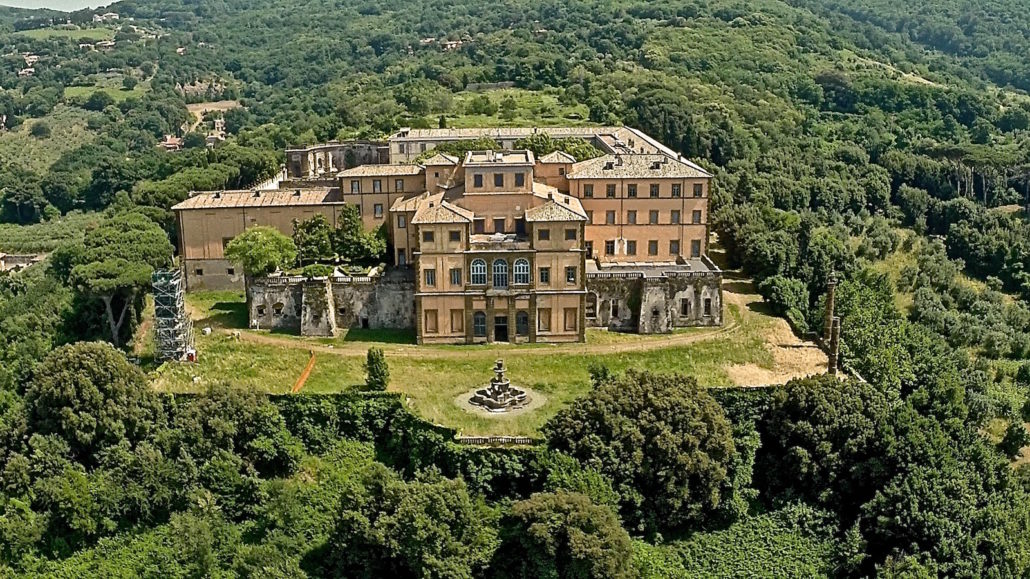
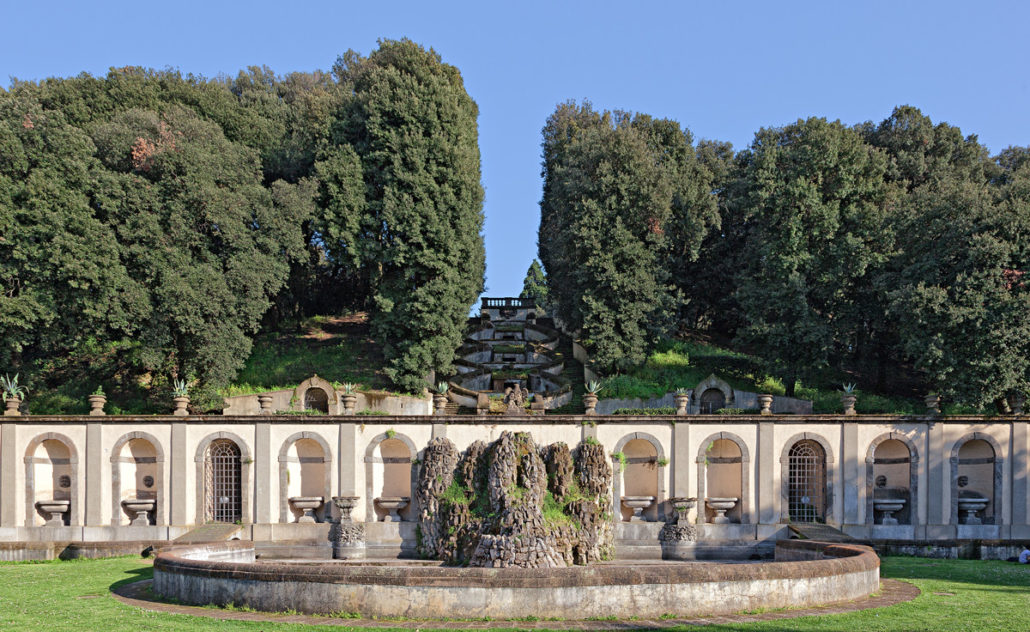
Frascati for all the XVI cent. knew an intensive “aristocratic urbanization” which had as result twelve amazing residences known as “Ville Tusculane” the perfect miscellaneous of elegance, architectural creativity, and artistical taste.
The picture above shows the allegory of the night, depicted by Giovanni Paolo Pannini in 1737 in the unique perspective gallery of Villa Grazioli, past residence of Prince Odescalchi and today a deluxe five stars resort.
In Villa Mondragone, october 4th of the year 1582 Pope Gregory XIII declared through the seal “Inter Gravissimas” the Gregorian Calendar.
Today the city of Frascati is the joyful and amene preferred site of the romans, especially when the heat of the roman summer becomes unsustainable, and in the week-ends all of us we move to enjoy the “romanella” wine which since ever is the light red sparkling wine that farmers were producing for their consumption, served with the famous spicy pork meat called “porchetta” , and some “ciambelline” dry round biscuits which the dough contains some fenel and red wine, to be tipped into the “romanella” wine.
A journey off the beaten tracks in Rome’s environs deserves, because of these jewels!